Start with the facts
Name wet rooms, known source and discovery time. Describe visible depth from a safe position and explain any access limits.
For water extraction in Georgetown, discuss an assessment of your wet rooms and standing water. Confirm address availability, pickup scope, charges and the person who can approve the work.
 01 / DESCRIBE THE SPACE
Water Extraction in Georgetown starts with the building, not an assumed one-size job. Describe rooms, flooring and visible water spread so the contractor can discuss an assessment and explain the proposed pickup.
Include connected spaces, thresholds and fixed contents. Share the source if known and when you discovered the water. Mention restricted entry and who can authorize work. Current availability and assessment charges should be confirmed before arranging a visit. This website connects the enquiry; the independent contractor assesses conditions and agrees scope, pricing and scheduling directly with you.
A useful first call creates a clearer assessment conversation. The contractor then defines what the property needs and what the proposed work costs.
Name wet rooms, known source and discovery time. Describe visible depth from a safe position and explain any access limits.
Check current availability for the property, assessment charges and who can approve the proposal. Say which details remain uncertain.
Agree tasks, rooms, price, exclusions and payment terms. Ask how additional recommendations will be explained and authorized.
Visible pickup clears standing water. Ask the contractor what remaining moisture needs checking and how any further recommendation will be explained. A clear floor alone does not confirm that the building is dry.
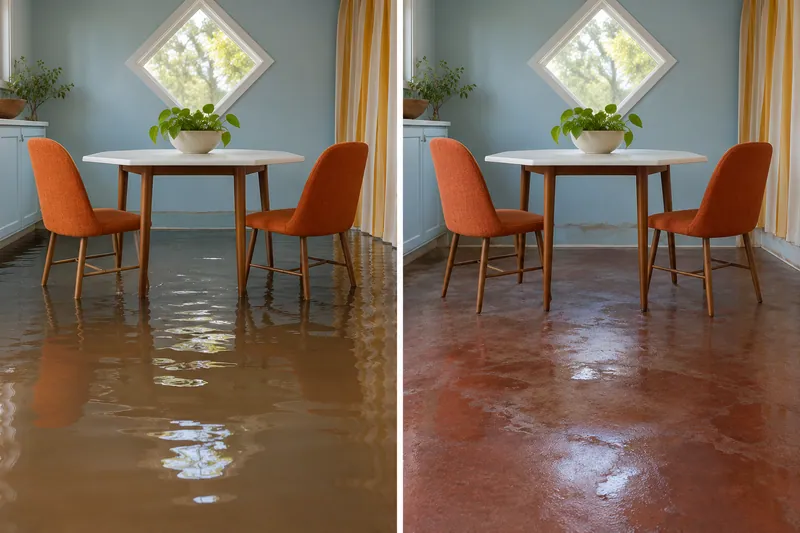
The contractor needs the building details before defining the job. Review assessment arrangements and a clear price before agreeing to work.
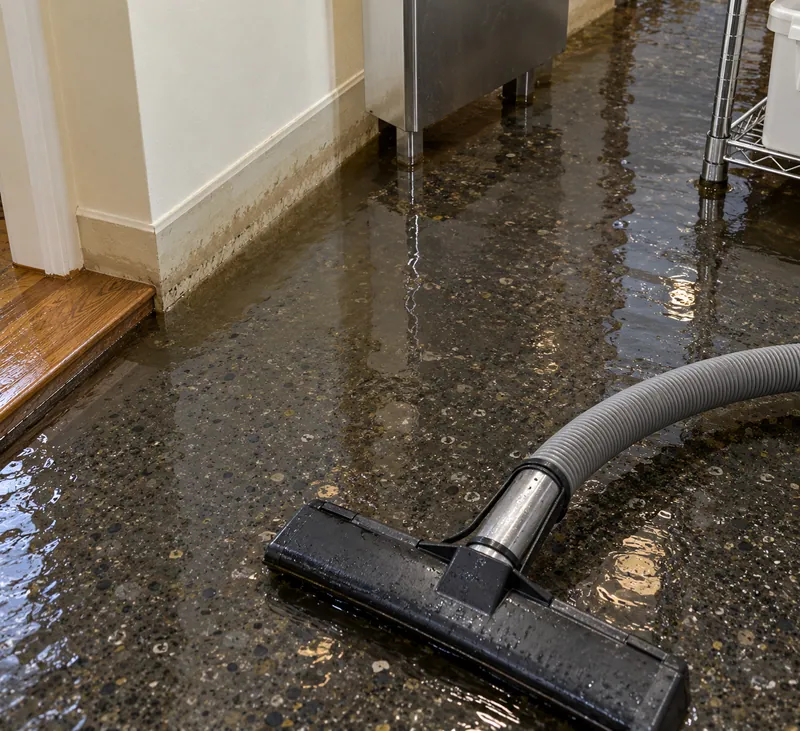
Describe spread, approximate depth and wet adjoining spaces. Say whether water is still entering or the source is not known.
Explain floor materials, stairs, restricted entry and fixed furniture. Ask who prepares the space and handles any contents movement.
Review pickup tasks, assessment charges, price and exclusions. Confirm how equipment days, return visits and added work are approved.
Ask what happens if the assessment leads to a different scope. Additional tasks need clear pricing and approval.
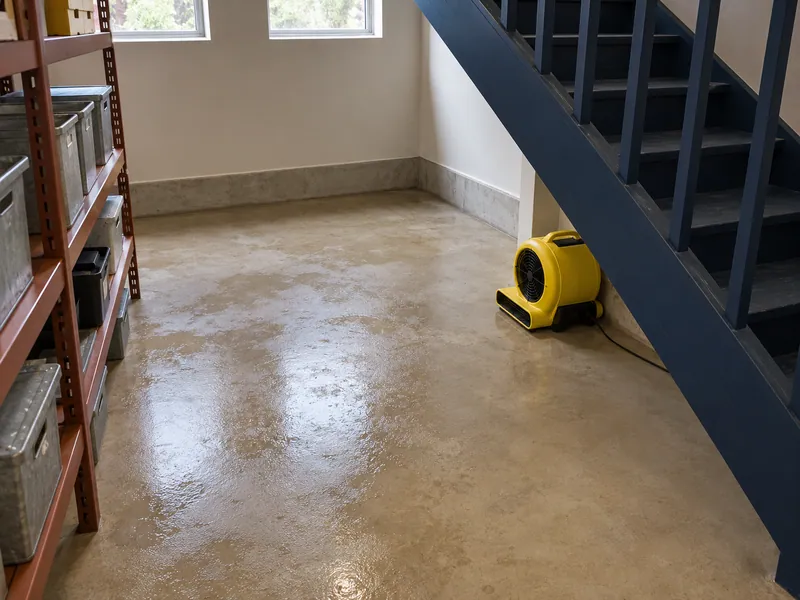
Ask what remains after visible pickup, how moisture is checked and what further recommendations mean for the work. Clarify equipment days or separate return visits before they are added.
Retain the proposal, approval and invoice. If another party needs documentation, ask what the contractor can provide. This website does not make insurance decisions.
Our ProcessCity-listed parks and facilities provide geographic context. They do not indicate contractor premises, damage nearby or a guaranteed appointment.
Provide the street address and ZIP, affected rooms, approximate depth, known source and discovery time. Explain safe access and who can approve the proposal. Make uncertain details clear.
Yes. Ask the independent contractor about current address availability, assessment arrangements and charges before deciding whether to proceed.
Review rooms, tasks, price, exclusions, contents handling and payment terms. Ask how a change in conditions or a new recommendation will be presented for approval.
Ask how it will be checked and explained after pooled water is collected. Confirm any recommended equipment, equipment days or return visits and their charges separately.
No. ZIPs 78626, 78628 and 78633 are buyer coverage references, not a promise of attendance. Confirm current availability for the exact address directly with the contractor.
Have the street address, affected rooms and safe-access details ready. Ask about contractor availability, assessment charges and the pickup proposal before authorizing work.